
بب-720x720.png)

Fiber Quilt Price in Egypt: Complete Guide to Types and Costs
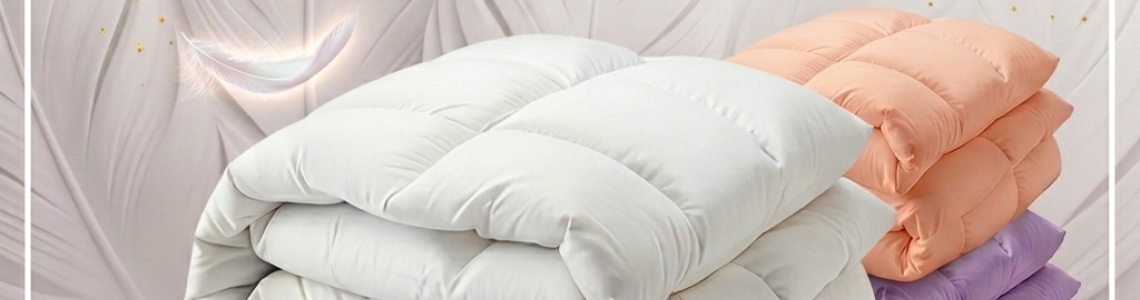
Fiber duvets (or quilts) are among the most popular bedding choices today. Known for being lightweight, incredibly warm, and easy to maintain, they offer a practical alternative to down. However, when searching for the right fiber quilt price, you’ll notice a wide range of costs. This variation depends on the material, filling technology, and size.
In this guide, we break down everything you need to know about fiber quilt types and how to get the best value for your money.
What are the Different Fiber Quilt Types and Their Prices?
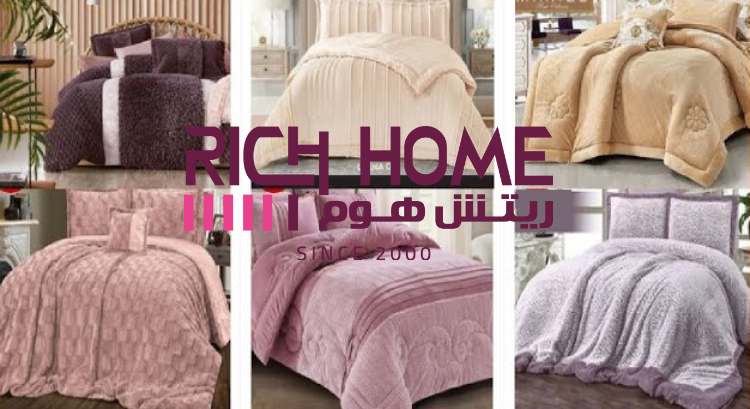
The fiber quilt price is primarily determined by the construction and the luxury level of the outer fabric. Below is a comparison of the most popular types available:
How Fiberfill Type Affects Fiber Quilt Price
Not all "fiber" is the same. The internal technology significantly impacts the fiber quilt price and your sleep quality:
Regular Fiber: Traditional polyester; soft, affordable, and budget-friendly.
Hypoallergenic Fiber: Treated to resist dust mites and allergens—ideal for sensitive sleepers.
High-Density Fiber: Compressed for maximum warmth without extra bulk; usually carries a premium price.
Heat Distribution Fiber: Advanced tech that prevents "cold spots" by spreading heat evenly across the quilt.
How to Choose the Best Fiber Quilt for Your Budget
To ensure you aren't just paying for a brand name, look for these quality markers:
Filling Uniformity: High-quality fiber shouldn't feel "lumpy."
Outer Fabric: Look for high-thread-count cotton or premium blends for breathability.
Stitching Pattern: Box-stitch or diamond patterns are best as they prevent the filling from shifting.
Density & Weight: Match the GSM (grams per square meter) to your local climate.
Washability: A good fiber quilt should maintain its shape after machine washing.
Why Shop for Fiber Quilts at Rich Home?
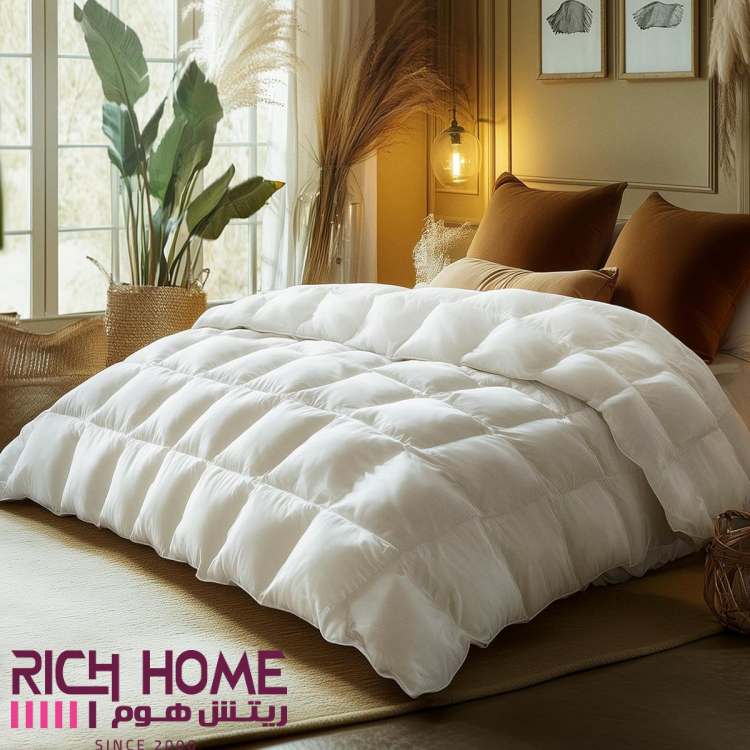
If you are looking for a competitive fiber quilt price without compromising on quality, Rich Home is a top destination for several reasons:
Premium Materials: Durable fabrics designed for long-term use.
Flexible Payment: Options include cash on delivery and installments up to 24 months.
Exclusive Discounts: Frequent seasonal sales and promo codes for first-time buyers.
Expert Customer Service: Available via hotline (16894) or their various branches across Cairo.
What tips should be followed to maintain the fiber quilt and prevent damage to the filling?
To maintain your fiber quilt and ensure its lifespan, it is important to follow some basic tips, the most important of which are:
Read the care instructions: Before washing the duvet, make sure to read the instructions on the label. These instructions will help you know the correct way to wash the duvet without damaging it.
Use a suitable washing powder: Choose a mild washing powder and avoid using bleach, which may negatively affect the filling and cause damage.
Washing the duvet regularly is recommended.BathChange your duvet every 1 to 3 months to keep it clean. Be sure not to over-wash it, as this can damage the filling.
Drying the duvet properly: After washing, the duvet should be thoroughly dried outdoors. Make sure it is completely dry before storing it, as moisture can lead to unpleasant odors or damage the filling.
Proper duvet storage: When not in use, store the duvet in a dry, clean place away from moisture. Vacuum-sealed bags or breathable fabric bags are recommended.
Duvet ventilation: Duvets should be ventilated regularly, especially in winter, to ensure air reaches all their internal components. You can expose them to sunlight for a short time to improve ventilation.
Avoid high heat: When drying your duvet in the dryer, use a low temperature setting. High heat can damage the filling or distort the shape of the duvet.
Maintenance Tips: Making Your Quilt Last
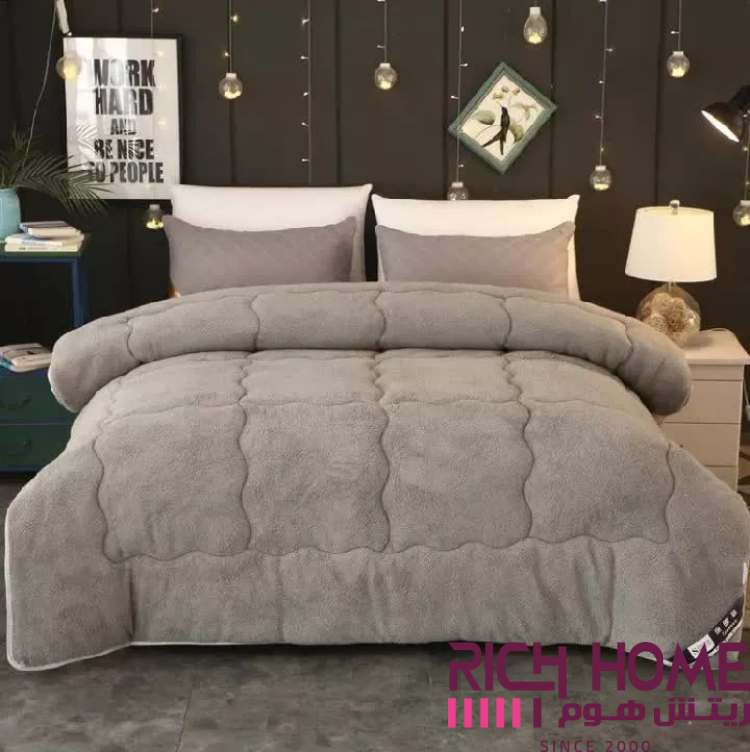
To protect your investment and keep the filling fluffy:
Wash Regularly: Every 1–3 months using mild detergents (avoid bleach).
Low Heat Drying: High temperatures can melt or damage synthetic fibers.
Proper Ventilation: Air out your quilt in the sun occasionally to kill bacteria and refresh the fibers.
Storage: Use breathable bags; avoid vacuum-sealing for very long periods as it may crush the fibers permanently.
Frequently Asked Questions (FAQ)
Does the fiber quilt price vary by size?
Yes. Single/Twin sizes are significantly more affordable than Queen or King sizes due to the amount of material used.
Why is there a price gap between Turkish and Local quilts?
Imported quilts (like Turkish or Spanish models) often feature different fabric finishing techniques and include import duties, which reflects in a higher price point compared to local high-quality alternatives.
Would you like me to help you create a specific "Product Description" for one of these quilts to help with your website's conversion?
Leave a Comment